The Conversations You're Avoiding Are More Expensive Than Any Bad Habit

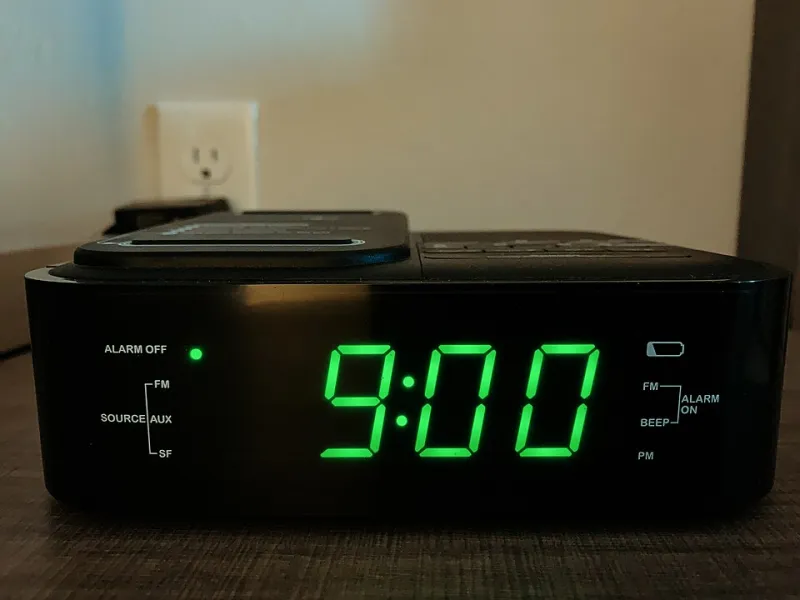
Photo: Kevin Anderson, CC BY-SA 2.0, via Wikimedia Commons
You can cold plunge, journal, and time-block your way to a flawless morning routine. But if there's a conversation you've been dodging for eight months, none of it matters. That unresolved thing is running in the background of your brain like an app you can't close — draining attention, souring your mood, and quietly shaping decisions you don't even realize it's touching.
Call it relational procrastination: the habit of putting off interpersonal discomfort long after the logical moment to act has passed. It might be the most underrated productivity killer there is. Here are the five conversations ambitious people delay longest — and scripts to finally have them.
1. The Raise Conversation
Why we dodge it: Asking for more money feels like declaring war, or like admitting you need something. Plus, there's always a reason to wait — the next quarter, the next project, the next review cycle.
The compounding cost: Every month you wait costs real dollars, and worse, it resets your internal baseline. After a while, being underpaid starts to feel like a fact about you rather than a negotiation position.
The script: "I'd like to schedule 30 minutes to talk about my compensation. I've taken on [specific responsibility] over the past six months, and I want to make sure my pay reflects the role as it exists now."
No apology. No preamble. Schedule it, don't ambush it.
2. The 'This Project Isn't Working' Admission
Why we dodge it: Sunk cost feels like commitment. Killing a project you've championed feels like admitting you were wrong to start it.
The compounding cost: Every week of zombie momentum burns team energy, budget, and your credibility. People can tell when you're still pitching something you've stopped believing in.
The script: "I want to be straight with you: I don't think this is going to hit the outcome we set. I'd rather we talk about redirecting resources now than in another quarter. Here's what I think we've learned."
Leaders don't lose credibility for killing a failing project. They lose it for pretending it's alive.
3. The Boundary Conversation With a Friend
Why we dodge it: Friendship feels like the one place performance metrics shouldn't apply. So we say yes to every plan, absorb every vent session, and quietly resent it.
The compounding cost: Unspoken resentment doesn't stay quiet — it leaks. You get flakier, colder, more distant, and the friendship dies by a thousand small withdrawals instead of one honest conversation.
The script: "Hey, I've been stretched thin lately and I'm not showing up as well as I want to. I need to be a bit less available for a while — it's not about you, I just don't want to keep half-showing up."
4. The Feedback You Owe Someone
Why we dodge it: Giving hard feedback to a peer or direct report is uncomfortable, and there's no immediate reward for doing it. So we hint. We soften. We say nothing.
The compounding cost: The problem behavior continues for months, the person eventually hears it from someone else, and your silence starts to feel like a betrayal. Delayed feedback isn't kinder. It's just crueler, later.
The script: "Can I share something you might not want to hear? It's coming from a good place, and I sat on it too long. In [specific situation], what happened was [specific behavior]. Here's the impact it had."
5. The Conversation With Yourself
Why we dodge it: The job you've outgrown, the city you're tired of, the life you built on autopilot — admitting dissatisfaction feels ungrateful or reckless, so we bury it under busyness.
The compounding cost: Unexamined dissatisfaction doesn't disappear. It calcifies into a midlife crisis, a health scare, or a decade of 'fine.'
The script: Literally write it down. "What am I pretending not to know?" Then answer honestly, in your own handwriting.
The Math Nobody Runs
Add it up: the delayed raise, the zombie project, the strained friendship, the swallowed feedback, the ignored gut. No productivity system can outrun that drag. The most efficient thing you'll do all week isn't a new app or a better calendar hack. It's the conversation you've been avoiding since spring.
Pick one. Send the message today. The relief alone will buy back more focus than any habit tracker ever will.